
US Marines buy 200 tactical robots from Israel’s Roboteam amid all-time high demand: CEO
Roboteam's Matan Shirvi told Breaking Defense the Micro Tactical Ground Robot the Marines are getting has been "customized" to their "operational needs."
Roboteam's Matan Shirvi told Breaking Defense the Micro Tactical Ground Robot the Marines are getting has been "customized" to their "operational needs."
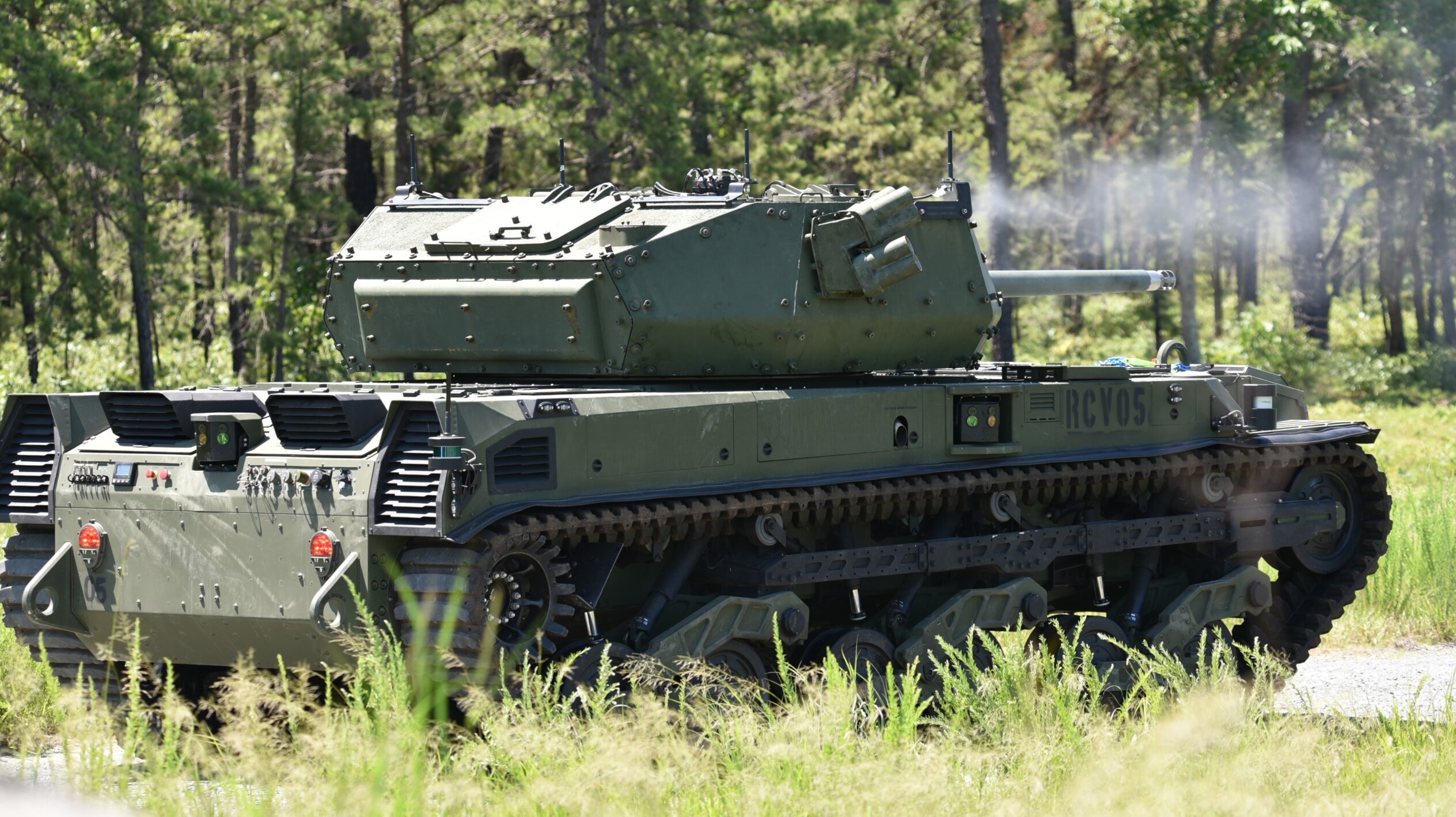
The Army plans to select up to four vendors for the designing, prototyping, and building a lightweight, easily transportable robotic platform.
Michigan’s defense ecosystem and expertise makes it a special asset for production.

Designed to be deployed in urban reconnaissance and natural disaster relief missions, the prototype vehicle can sense and navigate on unknown and challenging terrains, and its critical functions and autonomy algorithms can plan missions, gather information, and update maps, according to Clemson.

"In this experimental exercise, we are focused on figuring out what this future task force should look like and how to make it capable of striking pre-detected targets," Lt. Gen. Tomasz Piotrowski of Poland said.

Israeli firms are looking to partner with or procure American companies and produce their robot vehicles in the US.

Russia has big ambitions for unmanned systems, said CNA scholar Sam Bendett, but it faces the same technical hurdles as the US — and shares the same concerns about human control.


Cybersecurity skills must evolve in near-real time as Zero Day threats continue and AI provides new challenges.

New technologies and organizations will give soldiers an edge, Maj. Gen. Patrick Donahoe said, but tanks and foot troops will still face brutal close combat.
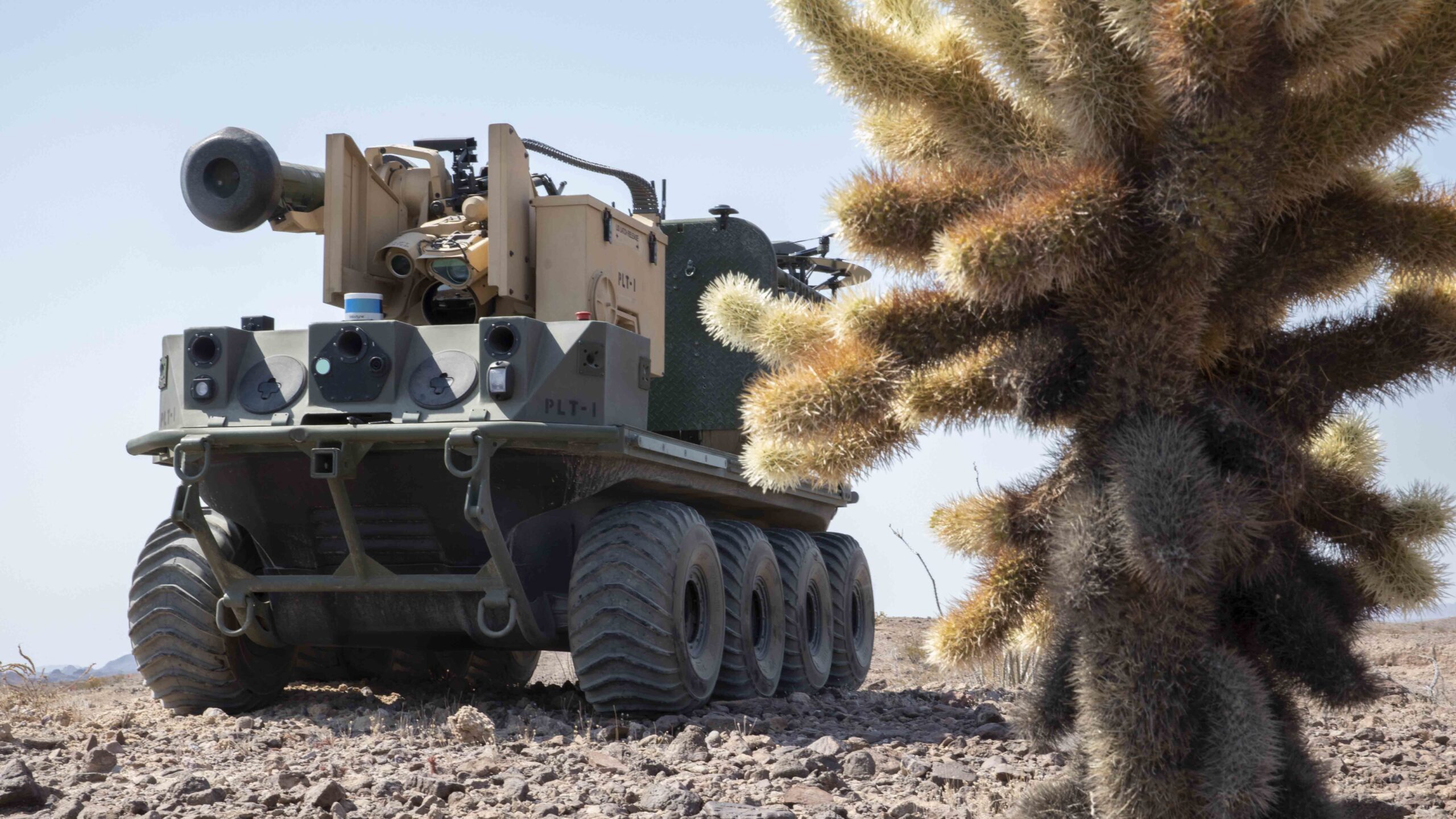
The pair of unmanned scout vehicles had enough AI smarts aboard to navigate cross-country, identify “enemy” forces, and open fire – but a human still decides whether to shoot.

Experimental Robotic Combat Vehicles are outperforming Army expectations. But soldiers are finding plenty of quirks to fix.

Six companies got $150,000 Field Artillery Autonomous Resupply contracts to study everything from exoskeletons that strengthen human ammo handlers to robots that might replace them.


Consolidate network monitoring, performance management, and fault isolation into a single, comprehensive solution.
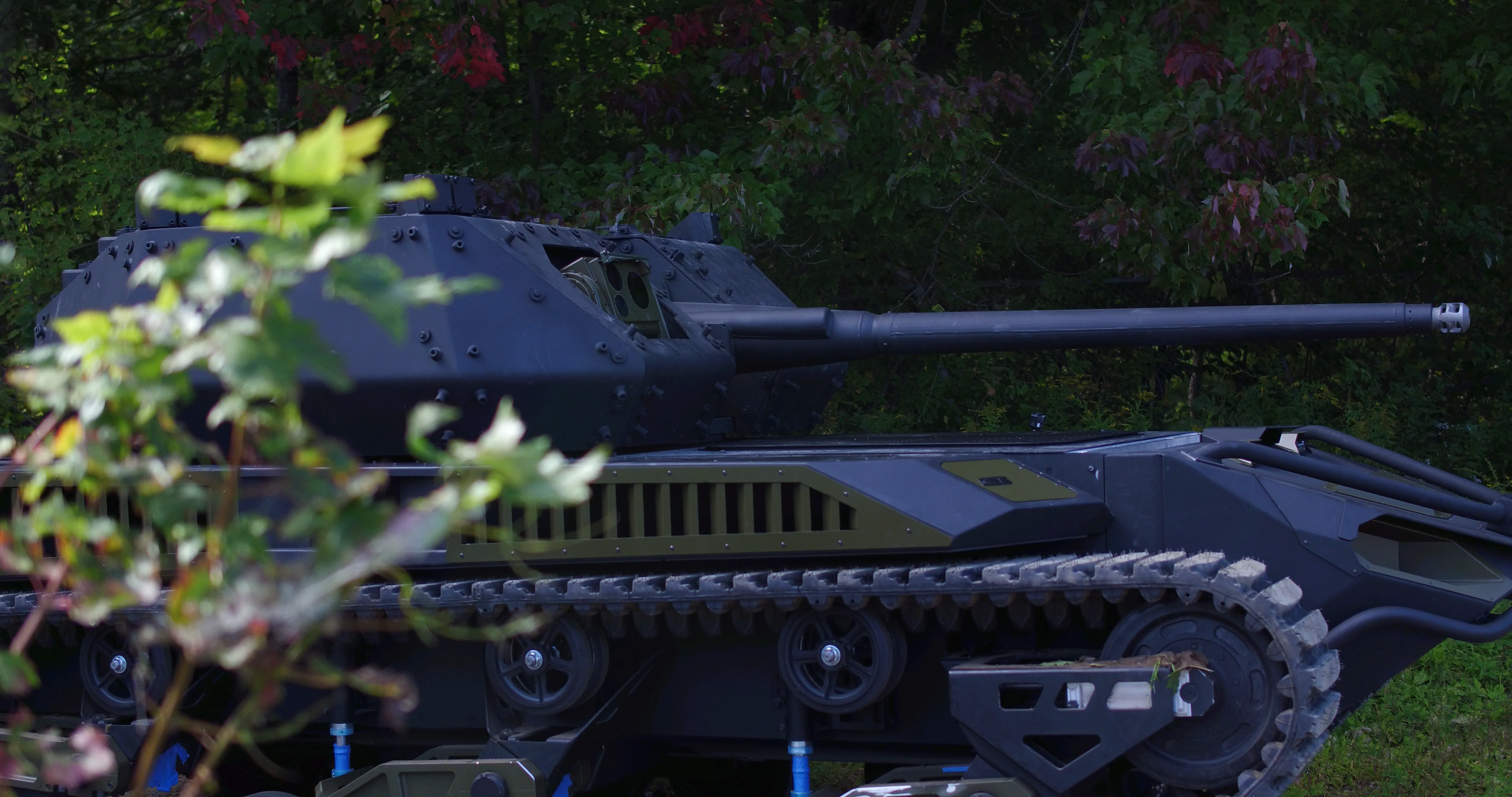
A simulated infantry platoon, reinforced with drones and ground robots, repeatedly routed defending forces three times its size — without losing a single human soldier. Would this work in real life?

It’s one small test for a robot, one tactical leap for robot-kind.

The first demonstration of Carmel was held Aug. 4 before the Ministry of Defense Director General, the IDF Deputy Chief of General Staff, commander of the Ground Forces, the head of the Directorate of Defense Research and Development, and other senior defense officials.

Ground robots still lag drones, but the Army thinks both technologies are ready to field to frontline units, just at different levels.